
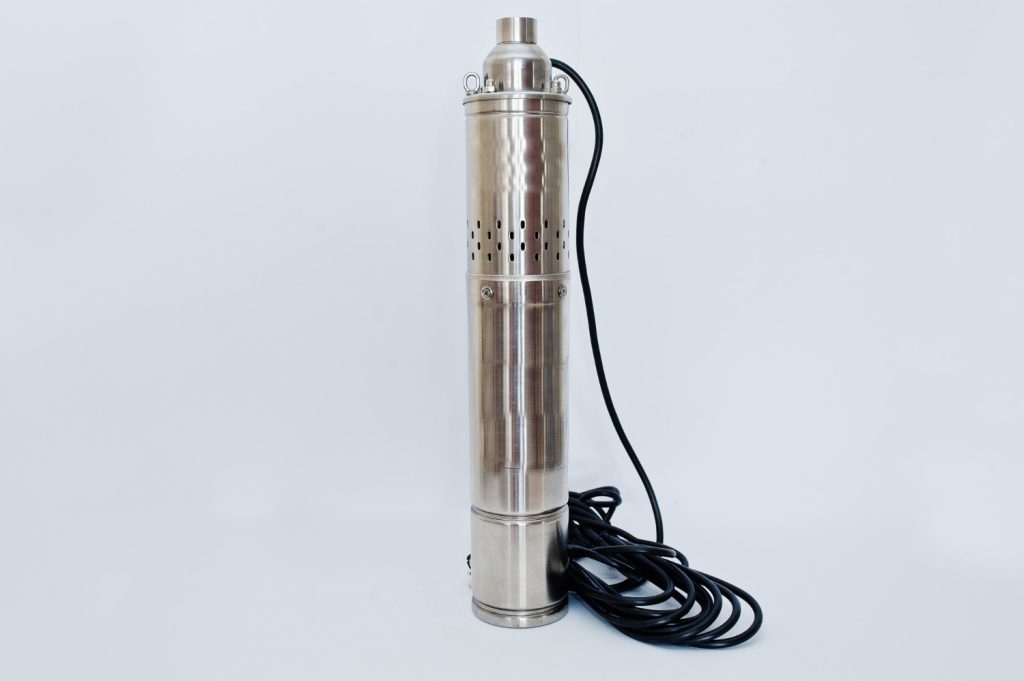
What to Watch For When Your Transfer Pump Slows Down
When a molten metal transfer pump starts slowing down, it does not always bring things to a stop right away. But over time, it can affect the flow, timing, and temperature balance across the entire process. It can throw off the handoff between stations, interfere with treatment timing, or even change how parts come out of the cast. Our transfer systems move molten aluminum between furnaces, into ladles, and along casting lines, so any change in pump performance can ripple through multiple stages of production.
These slowdowns are not always obvious from the start. It may begin with small changes, a pour that does not quite keep pace, or a batch that finishes cooler than expected. Spotting those early warning signs can make all the difference between a simple fix and a full production delay. That is why we keep an eye on key shifts before they become bigger problems.
Let’s walk through the most common signs to watch for, what they might mean, and how they could affect the larger process if left unchecked.
Signs Something’s Off With Flow
When the flow stops feeling smooth, it usually points to a performance issue. This is often where pump slowdowns first show up. If the molten metal transfer pump is not operating at its normal pace, you may notice it during back-to-back transfers or when pressure is not building up the way it used to. A few signs that stand out include:
• A slow or delayed pour that does not match the usual rhythm
• Metal pooling in places where it normally clears out smoothly
• Output that pulses or jumps instead of flowing evenly
Small changes in flow can cause big problems elsewhere. For example, if molten metal does not reach the holding chamber at a steady rate, it may cause the downstream timing to slip or result in cooler batches arriving at the casting station. That ripple effect ends up creating problems in systems that rely on predictable timing.
Heat Behavior and Temperature Drop-Offs
Temperature control is one of the first things to suffer when a pump slows down. Even if furnace readings look steady, the heat inside the metal can drop if circulation and transfer are not moving as expected. Here are a few red flags tied to heat:
• Output temperature feels lower than normal even though the furnace shows the usual setpoint
• Longer cycle times because it takes more effort to bring metal back up to temperature
• Cold spots in areas where the metal is usually consistent
These heat-related signs usually become more noticeable during cold startups or after holding periods. If circulation is not helping to keep the metal moving, fixed zones in the system can cool down faster or resist treatment. That kind of uneven behavior often leads to wasted batches or delays.
Strange Noises and Mechanical Cues
Anything new in the sounds or feel of the pump should raise a flag. When we notice grinding that was not there yesterday or hear a rattle on startup, it is worth paying attention. Changes in sound or shake usually point to wear or imbalance inside the pump. Common signs include:
• Squealing, grinding, or popping noises inside the pump chamber
• Startup hesitation from the motor or inconsistent rotation
• Vibrations that feel louder or rougher than usual against the mounting point
These are not just daily annoyances. If they are connected to a slowdown, that means wear or buildup inside the housing may be affecting performance and could eventually cause a full stop. Catching these early keeps parts from getting damaged and gives more time to plan a full checkup.
Changes in Metal Quality at the Destination
Sometimes, we do not notice the pump has slowed until we start seeing the impact at the other end. When the flow is weaker or slower, it can affect how treatments carry through the system or how cleanly the molten metal arrives at casting. These are some signs that may show up:
• More gas pockets or inclusions turning up inside the metal after casting
• Flux or treatment material showing uneven spread across the batch
• Surface scum or other marks around the spout or where the metal exits the transfer zone
When the movement is not steady, treatments can fall short. That makes some parts of the melt more reactive than others or causes buildup in spots that are not meant to collect material. It is a warning that the flow is not doing its job as well as it should be.
When Maintenance Timing Makes the Difference
Transfer pumps do not slow down out of nowhere. Most of the time, it is a steady wear process that sneaks up over time, especially if the service window was rushed or skipped. Heat, friction, and fatigue collect as the pump moves from cycle to cycle. Here is where timing starts to matter most:
• Key parts like impellers or shafts wear down just enough to drag performance
• Clogged channels from buildup that has not been cleaned out properly
• Running too long in poor conditions, which leads to strained bearings or out-of-step flow
Routine maintenance saves a lot of time in the long run. We find that when inspections stay on schedule and basic care like flushing and realignment happens when needed, pump slowdowns are less likely to show up without warning. At MMEI, we work with conventional transfer pumps for ultra-high-lift applications, along with launder, lift, dosing, HYDRA, and quick immersion transfer pumps, and consistent inspection helps every one of those designs perform as intended. It all adds up to steadier, cleaner movement shift after shift.
Keep Your Process on Pace by Watching Early Signs
A strong transfer flow depends on the right combination of heat, timing, and movement. When the molten metal transfer pump holds steady, those things stay balanced and predictable. But when the pump slows down, small problems travel down the line fast.
By staying alert to early signs like lagging flow, noisy operation, and uneven heating, we can keep the metal moving the way it is supposed to. The goal is to catch and correct small issues before they interrupt the line or affect quality at the casting stage.
When we stay ahead of wear and slowdown signs, everything works smoother. It serves as a reminder that attention now saves trouble later and keeps every shift running as planned.
Seeing changes in flow, sound, or heat prompts a closer look at your system’s setup. Staying ahead of worn parts and buildup helps keep casting conditions stable and supports longer-running operations. When it is time to check on our equipment, we are here to help guide you in the right direction. You can see more about what goes into a reliable molten metal transfer pump and other solutions we work with every day. Reach out to MMEI to discuss what you are noticing and decide on the best next steps.