
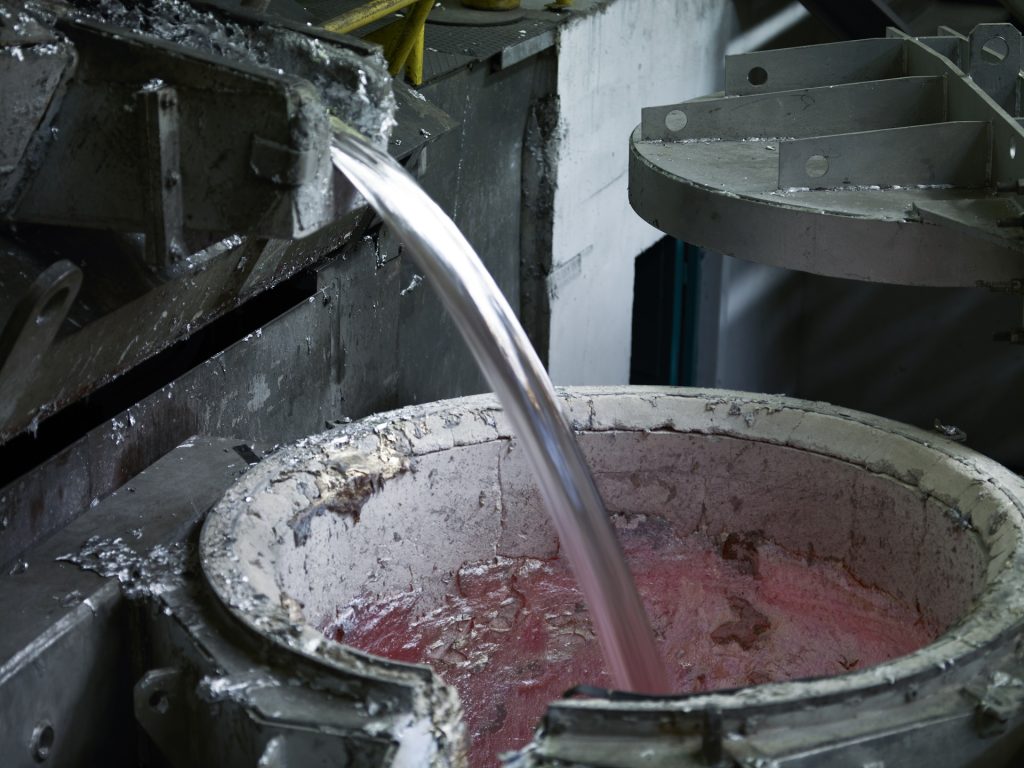
How Melt Pool Turbulence Affects Consistent Aluminum Casting
When aluminum is melted and ready to pour, the way it flows can make or break the final casting. One problem that often shows up during this step is melt pool turbulence. That is when the surface of the molten metal becomes unstable, moving in unpredictable or choppy ways. It might not be obvious at first glance, but this turbulence can lead to cracks, bubbles, and uneven fills.
To keep things steady, we rely on well-designed systems that control temperature and flow. Tools like an aluminum casting pump help give the molten metal a cleaner path by keeping it moving at a constant speed. Small design details, like layout and pump pressure, play a big role in keeping the melt pool calm. When the flow is smooth, casting results become more reliable and parts come out cleaner.
Understanding Melt Pool Turbulence
Turbulence in a melt pool looks a lot like ripples or small waves moving across hot metal. When metal flows too fast, hits a corner, or changes temperature suddenly, it breaks out of its steady pattern and becomes restless on the surface. This can happen inside a furnace, along a transfer path, or just before the metal reaches the mold.
A few things can cause this kind of movement:
- Fast or uneven flow speeds
- Sharp turns or tight spots in the transfer setup
- Big differences in temperature along the line
When everything is running right, the molten aluminum looks calm and steady. The surface might shimmer lightly, but it will not splash or swirl. That kind of balance is key to getting a solid pour and a clean shape. But when motion becomes unpredictable, it sets up all sorts of problems downstream.
How Turbulence Impacts Casting Consistency
Unsteady melt flow does not just look messy, it creates real issues inside the casting. When the metal splashes or swirls, air can get trapped inside the mold. That leads to gas pockets, small bubbles, or weak spots around the edges. Over time, those flaws cause big problems in finished parts.
Here are some of the ways turbulence can hurt consistency:
- Cold shuts or short pours from uneven fill
- Porosity from gas pockets or splashing
- Rougher surfaces that require more clean-up or rework
We have seen how these issues slow down equipment and raise the number of rejected parts. This wastes metal and forces restarts that take extra time and labor. Consistent castings happen through keeping the melt steady from start to finish.
Pump Design and System Flow Control
One of the best ways to stabilize melt flow is by using the right pump setup. A well-built aluminum casting pump helps guide the liquid metal with soft movement and steady pressure. MMEI molten metal pumps are engineered for performance, reliability, and long service life, and they are built for continuous operation with minimal maintenance, which helps maintain consistent flow during demanding casting schedules. That balance allows the melt to flow smoothly through lifts, turns, and holding sections.
The way we design the system plays a big part in how well it handles turbulence. For example:
- Sizing the pump to match the amount of metal being moved
- Keeping flow paths as direct and gentle as possible
- Regulating return flow to avoid backpressure or uneven lift
When the pump speed stays consistent and the path stays warm, the risk of splashing or slowing goes down. That gives the molten metal a better chance to stay stable all the way to the mold.
Tips to Keep Melt Flow Smooth in Late Winter Conditions
March brings a mix of temperatures that can change from day to day. Those swings have a bigger effect than most people expect. Cold sidewalls, chilly transfer lines, or open bay doors can cool parts of the system just enough to cause slowdowns or turbulence.
We manage seasonal shifts by making a few small changes:
- Wrap exposed transfer lines with heat-holding material
- Preheat key parts of the system before the first run each shift
- Keep critical components away from drafty areas or open walls
Even something as simple as checking seal connections or heat sensors more often during colder weekends can stop a small temperature dip from building into a bigger issue.
Smart Changes That Make a Long-Term Difference
Getting smoother casting results does not always mean rebuilding the whole system. We have noticed that small layout changes or weekly habits can make a noticeable difference in flow quality and pump life.
A few changes that help reduce turbulence include:
- Adjusting curves or pipe angles to ease sharp transitions
- Installing flow guides that slow the metal just before the mold
- Scheduling short inspections before every busy casting week
These kinds of upgrades protect the system and give workers fewer problems to deal with shift by shift. They set the melt up for success by stopping issues before they grow into downtime or damage.
Keeping Castings Clean with Better Flow Planning
Melt pool turbulence often works in quiet ways, showing up as surface flaws, trapped gases, or poor fills. By the time it is obvious, it has already hurt product quality. That is why we like to keep ahead of it.
Good flow starts with smart pump placement, steady path design, and seasonal prep. Even fine-tuning a few valve settings or replacing aging lines each spring can create better casting results across the board. A few minutes of planning can mean fewer disruptions, better pours, and stronger parts. When we start at the flow source, we create more stability in every corner of the system. Forward thinking like this pays off day after day.
For steady flow and fewer casting problems, the right equipment makes all the difference. We take care to select systems that control speed, limit splashing, and hold steady under changing conditions. Some MMEI aluminum pumping solutions use subsurface metal movement and sealed passageways to reduce turbulence, minimize dross formation, and deliver cleaner metal to the mold. That includes choosing an aluminum casting pump that fits the job and layout just right. MMEI has spent years helping foundries keep their melt moving smoothly from furnace to mold. When reviewing your setup or planning seasonal updates, contact us.