When melting aluminum scrap, the process of removing excess hydrogen is essential to producing quality aluminum castings.
Hydrogen is introduced by moisture. Excess hydrogen has a negative effect on the mechanical properties of finished aluminum by creating porosity and overall shrinkage. It is important to remove excess hydrogen during the melting and pouring process.
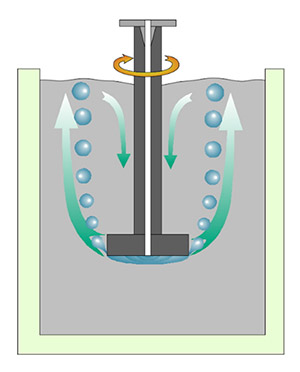
Introducing inert gases such as argon or nitrogen into the molten metal can be used to remove hydrogen. As inert gas bubbles move up through the molten aluminum, hydrogen diffuses into the inert gas bubbles and essentially disappears. Traditional degassing systems limit mixing, especially at the bottom, where higher speeds are required which results in more surface turbulence. Bubbles are larger and degassing takes longer to achieve desired results. Melters desire superior bubble shearing and dispersion, longer bubble retention time in the metal, complete molten metal circulation, a non-clogging rotor, and to be more thermal shock resistant. Plus they would prefer to use less inert gas in the process.
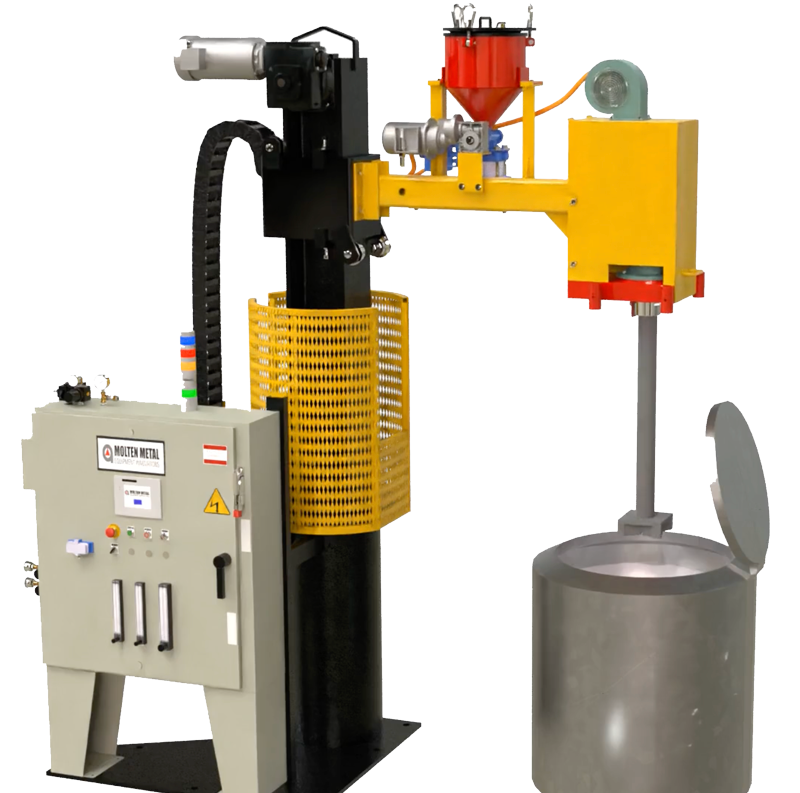
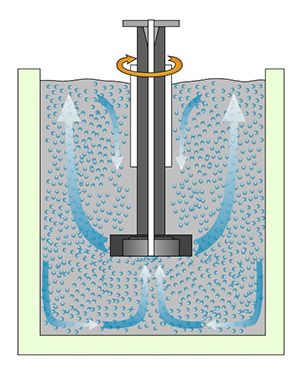
MMEI uses graphite components which are critical to successful metal treatment. The patented Quadzilla ® rotor head offers increased metal movement by throwing metal outward and drawing metal from bottom for improved circulation. The unique rotational movement of the rotor head shears bubbles to prevent gas from rising. The cleverly designed rotor pushes metal outward and pulls from the bottom to improve flow, thus increasing reaction surface area. It operates at a lower rpm and eliminates “dead zones” in the melt.
MMEI degassing systems achieve better degassing results in less time and with less overall cost.
MMEI QUAD-Zilla Rotor
Rotor pushes metal outward and pulls from the bottom
Circulates metal by drawing metal from bottom of well
Flow pattern pulls gas bubbles downward for longer retention time
Shears gas into many tiny bubbles
Increases reaction surface area
Improves residence time
Alternative Rotors on the Market
Only does limited mixing
Mixing occurs from bubbles rising
Bottom receives very little mixing
Requires high speed for shearing – causes more surface turbulence
Bubble size is larger
Degassing takes longer and uses more gas to achieve desired results