Volute Pump Design
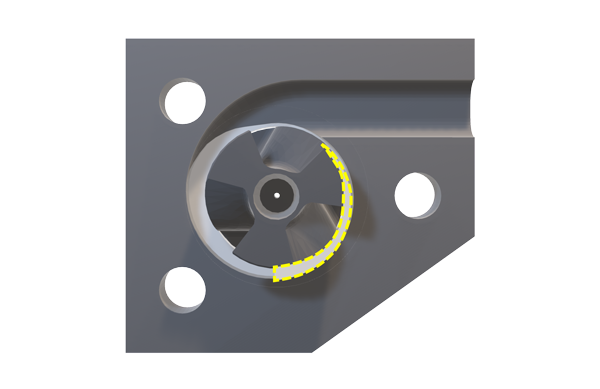
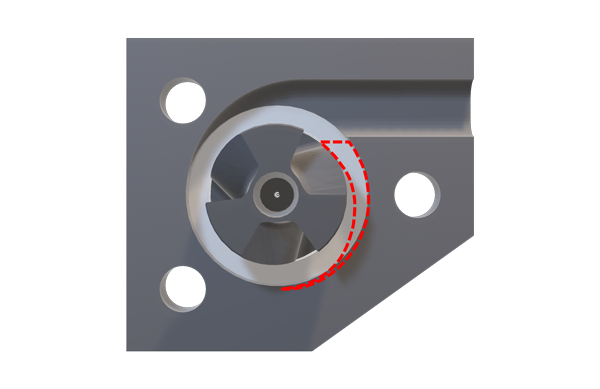
Traditional pump design uses a base using a Volute or “spiral” design. The design of the pump chamber in the base of each MMEI pump is engineered to overcome the flaws of traditional volute or “spiral” shaped designs. Traditional volute design use a “cut-water” to direct the flow out of the pump. With the traditional design, solids get caught at this pinch-point between the cut-water in the base and the spinning rotor. This causes damage to the base and the rotor. A second problem exists with the Volute design. The amount of flow is limited due to the oval shape of the chamber.
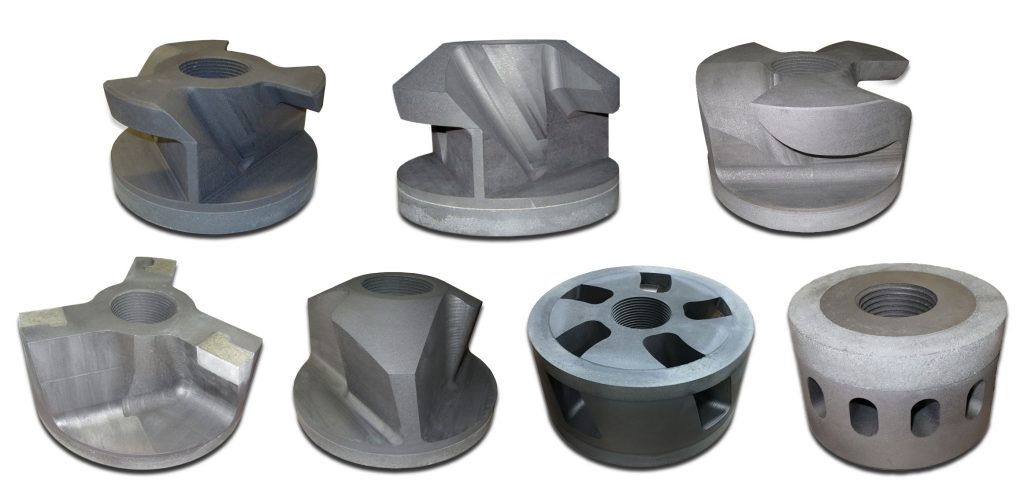
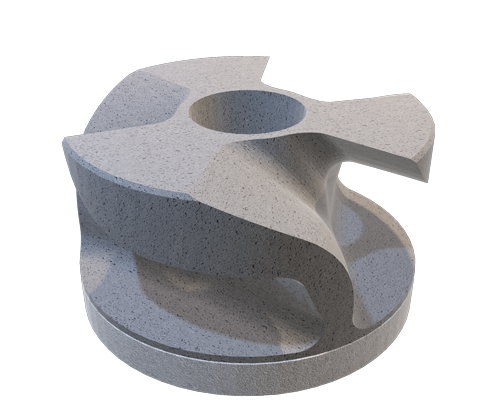
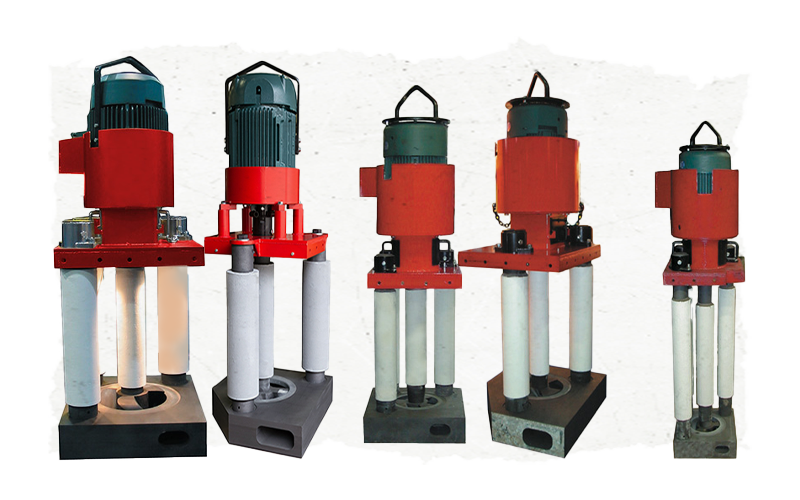
A key advantage of MMEI pumps are the advanced rotor designs. Our mixed-flow design generates more flowing metal by pushing the metal both axially and radially. The angle of the blade generates axial movement by pushing metal down into the rotor. The vertical sides generate the radial movement to push metal out of the rotor. This results in more metal flow per revolution. MMEI has several rotor designs for a variety of applications.
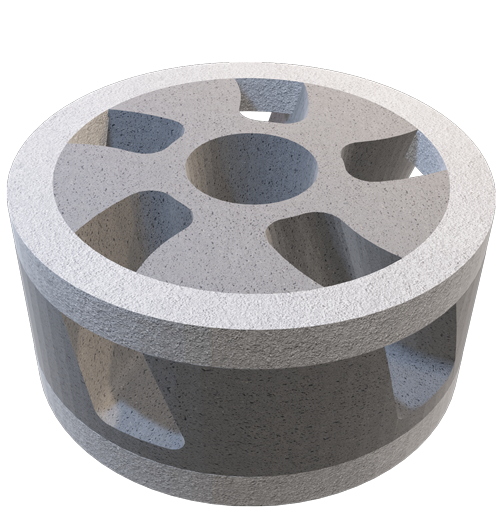
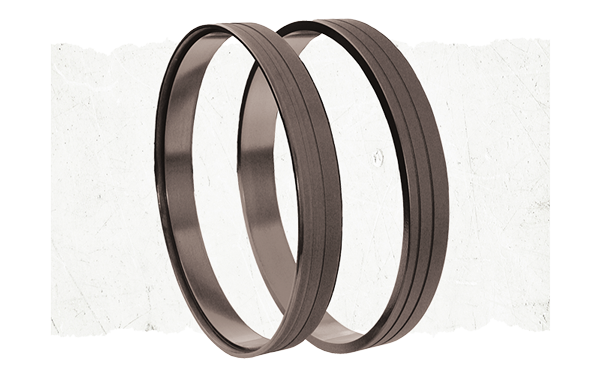
General-purpose rotor, generating high flow at lower speeds, designed with open passageways to pass solids without breaking. Mixed flow design with downward angled Hook-blade improves axial flow into the rotor. Verticle blad propels metal outward radially. Diamond-ground silicon carbide bearing ring provides reliable guidance. Hard, wear resistance material for longer life.
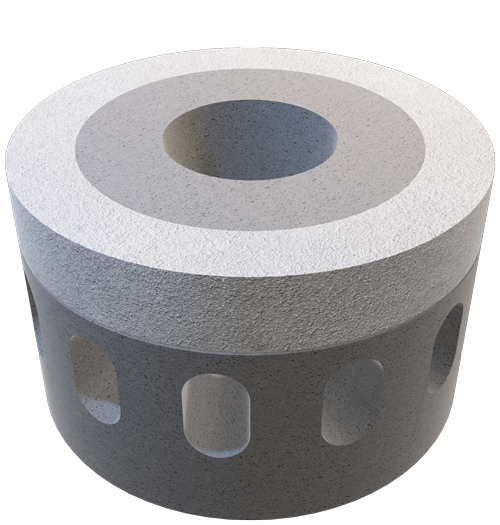
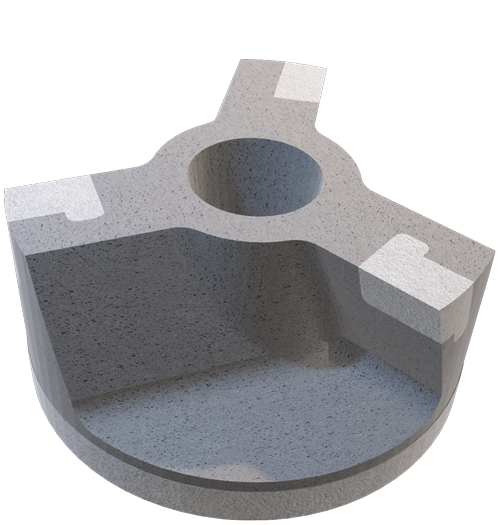
A bottom feed rotor which pulls metal from the bottom of the pump. Precision machined flow channels guide fluid outward generating more fluid outward radially. This design generates more pressure and higher lift capabilities. Specially designed for transfer applications which require high lift. Bottom feed design will operate in lowest possible metal depths.
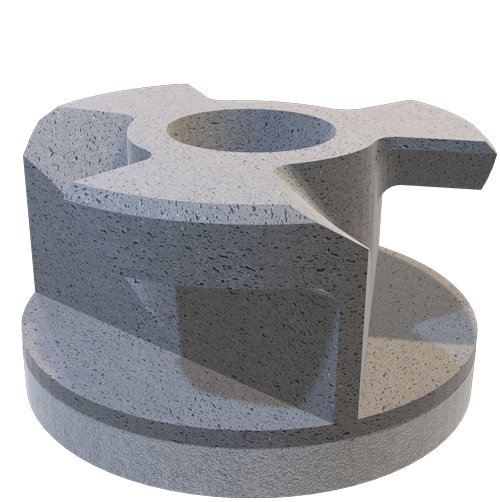
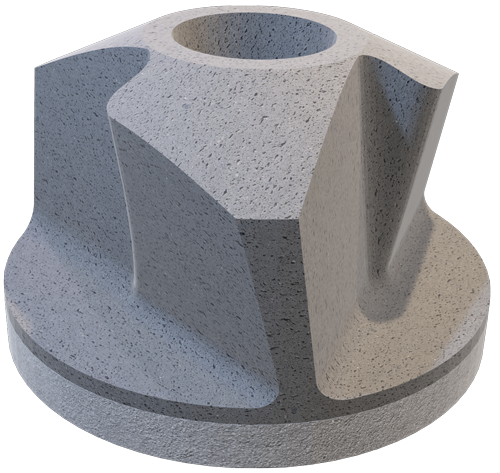
The advanced fluid-dynamic design of the THOR rotor provides more metal flow and cuts through metal more efficiently. Uses mix-flow technology to draw metal into the rotor and push metal out of the base.
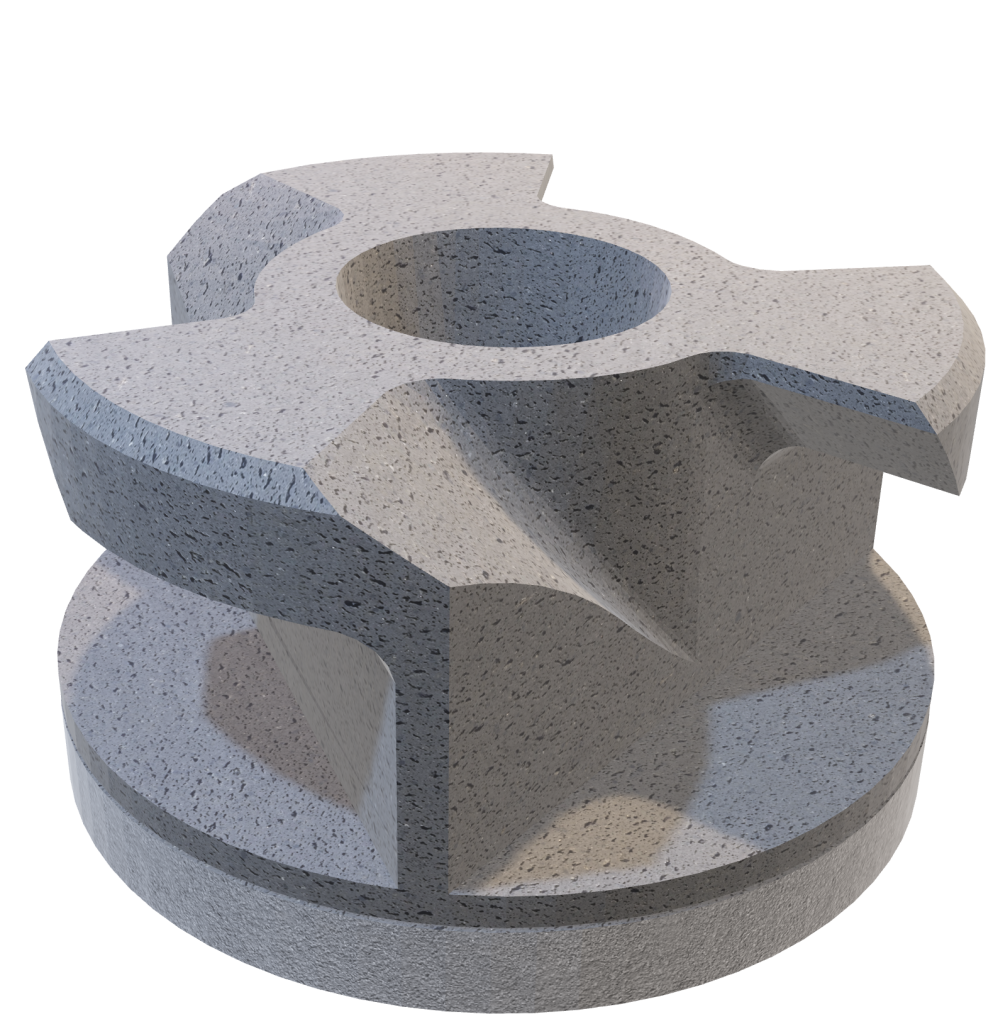
A top feed rotor which pulls down into the pump. Precision-machined flow channels guide fluid outward generating more fluid outward radially. 5 smaller inlets prevent larger solids from being ingested by the pump. Small solids are able to pass through without jamming. Good for both circulation and transfer applications. Engineered for the dirtiest applications where solids are a problem. Hard ring on top of rotor reduces wear from solids.
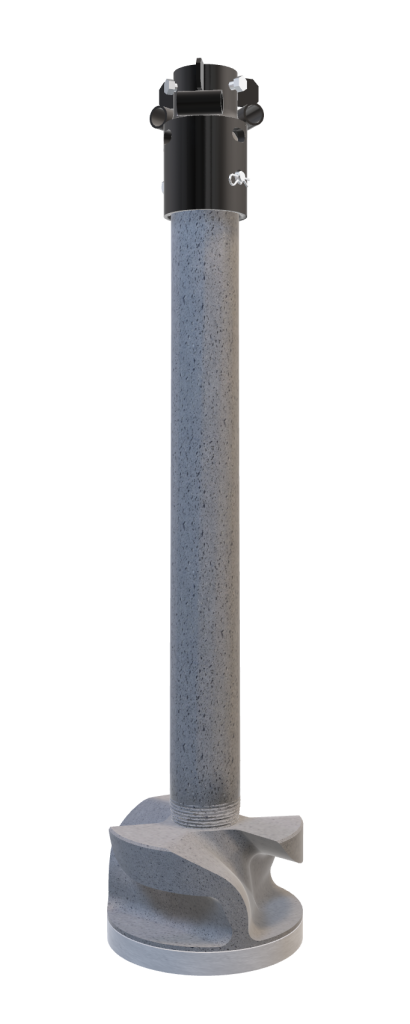
MMEI pump shafts are built for demanding environments. The solid steel coupling is attached by using an internal key and keyway. This method of fastening is significantly stronger than a threaded connection and allows for fast and easy assembly. The shaft is held in place with a steel bolt and safety pin. The lower end connects to the rotor with a tapered threaded connection. Tapered threads are stronger and self-centering for a truer spin. The design and construction of the shaft means less downtime, fewer repairs, and more savings.
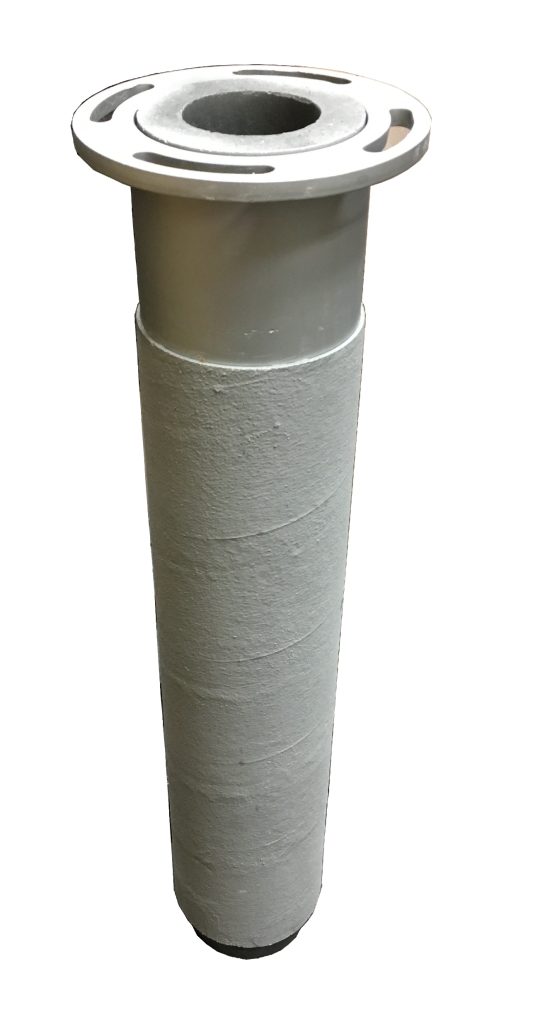
A protective sleeve protects the graphite shaft from oxidation and wear. Aluminum oxide, the hardest material in the world, accumulates on the surface level. The protective sleeve rubs against these abrasive surface oxides at all metal levels in the furnace.
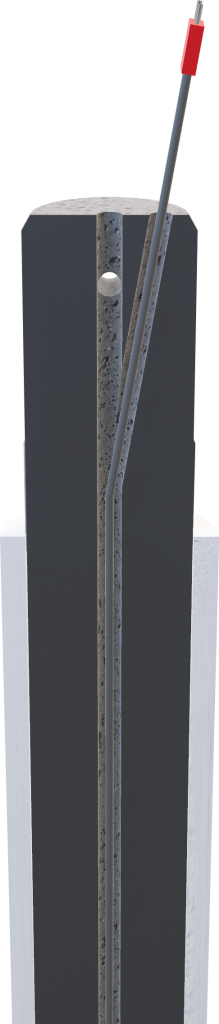
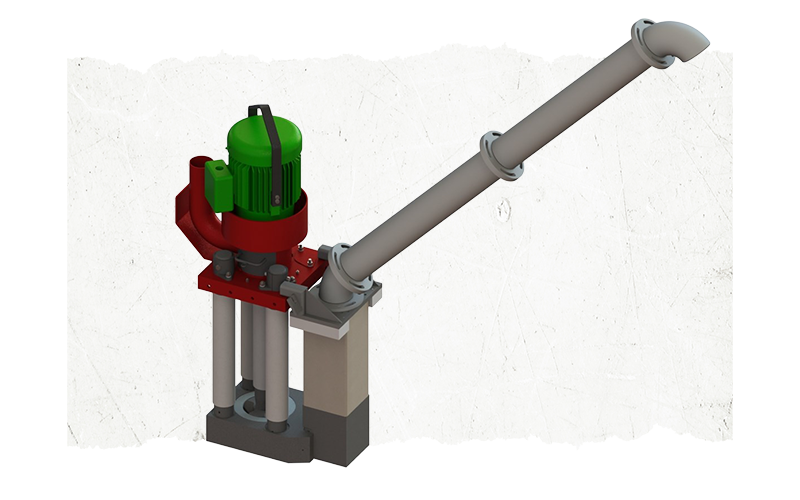
The post serves to connect the base to the motor mount, ensures proper pump alignment, and is a key component to structural integrity of the pump. MMEI uses a 3-post design to produce a strong, rugged pump which is self-aligning. All posts are bolted into the Motor Mounts and cemented into the post holes in the base using MMEI’s own Pump Mud Cement. Pump Mud Cement is injected into a pre-drilled hole in the post and fills a chamber which bonds the post to the base. Two relief hole allows air to exit and ensures a solid connection and indicating the chamber is filled.
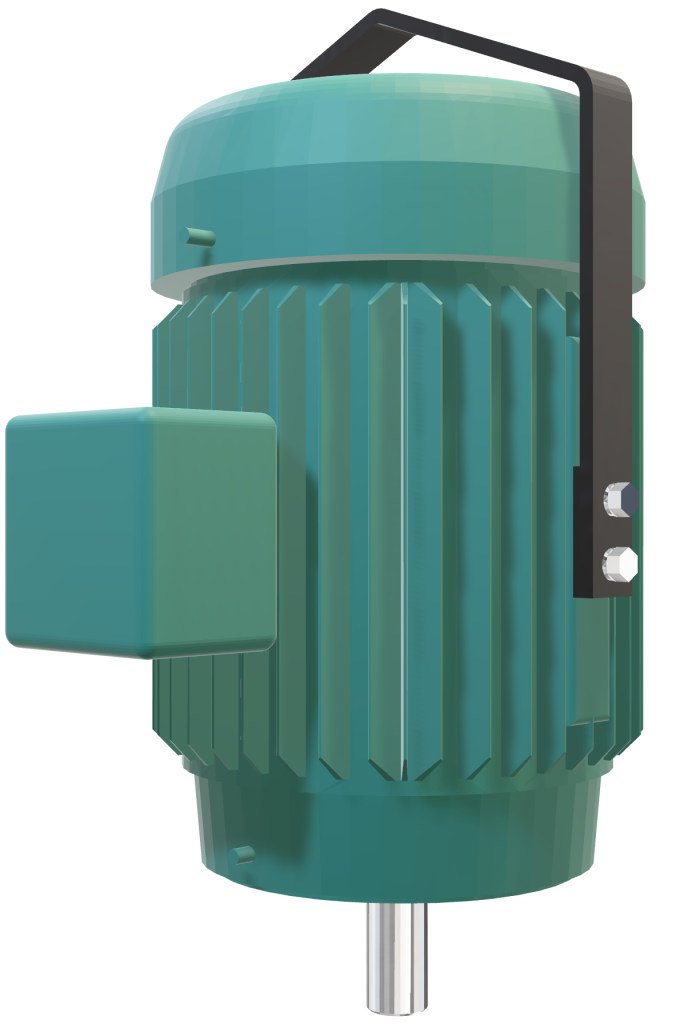
All pumps are powered by high efficiency motors, rated extra tough, severe duty motors. Totally Enclosed and Fan Cooled (TEFC) motors are used and engineered to stay sealed against outside dirt, and rated for use in mills and chemical duty.
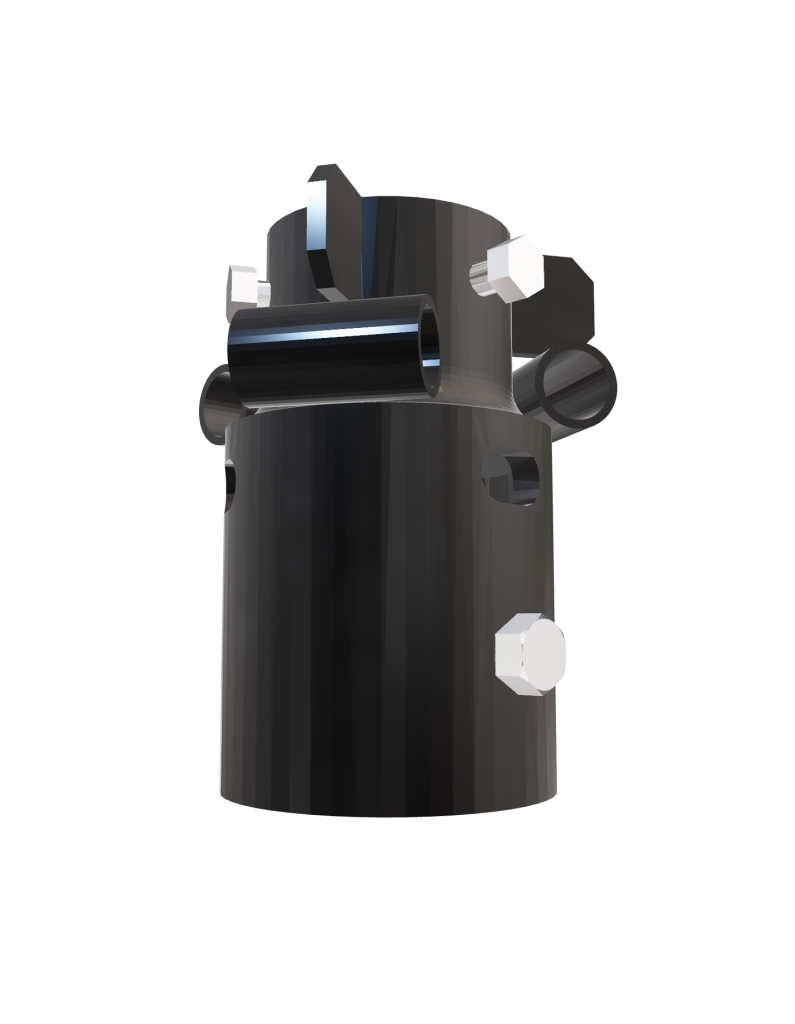
The motor mount features thermal insulation to protect the motor from heat. A blower connection is designed to connect external blowers for cooling the motor. All pumps have easy access to shaft coupling for quick and easy assembly. Advanced post coupling provides a secure, precise connection.